
-
Lot Size
-
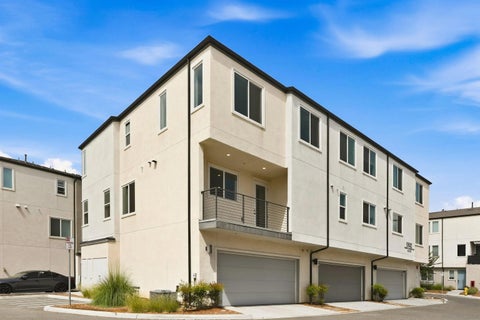
Home Size2,095 sqft
-
Beds3 Beds
-
Baths3 Baths
-
Year Built2024
-
Days on Market1
3 Ways to Save Money During Closing
- Real Estate Tips
- October 16, 2026
You found your dream home, and your offer was accepted. Before you get the keys, there’s one more number to plan for: closing costs. For buyers, they’re commonly estimated at 2% to 5% of the purchase price, which can mean thousands of dollars due on closing day.
The good news is that some of those costs can be lowered. Here are three ways to keep more money in your pocket at closing.
What Are Closing Costs?
Closing costs are the fees and prepaid expenses that come due when a home sale is finalized. Buyers typically pay for things like:
- Lender fees, such as loan origination charges
- The appraisal
- The lender’s title insurance policy
- Escrow and recording fees
- Prepaid items, including mortgage interest, property taxes, and homeowners insurance
Sellers usually cover their own costs, such as agent commissions and transfer taxes. In San Diego County, who pays which fees is often guided by local custom and then settled in the purchase contract. Your agent can walk you through what to expect on your side.
1. Compare Lenders and Service Providers
Within three business days of applying for a mortgage, a lender must give you a Loan Estimate. Every lender uses the same standard form, so you can compare offers line by line. Request one from two or three lenders on the same day, since rates change daily.
When you compare, look closely at:
- Origination charges. These lender fees vary from one lender to the next.
- Points and lender credits. You can pay more up front for a lower rate, or accept a slightly higher rate in exchange for a credit toward closing costs.
- “Services You Can Shop For.” This section lists services, such as certain title and inspection fees, that you’re allowed to choose yourself. Getting your own quotes can lower them.
If one lender offers better terms, it’s fair to ask your preferred lender whether they can match them.
2. Negotiate With the Seller
You can ask the seller to pay part of your closing costs through a seller credit. This can be written into your offer, or requested after the inspection. If the inspection turns up repairs, a credit is sometimes simpler than asking the seller to fix the issues before closing.
How much room you have depends on the market. A seller with several offers has less reason to say yes. That’s also when the advice in how to navigate a seller’s market comes in handy. Keep in mind that lenders cap seller credits based on your loan type and down payment, so check the limit with your lender before you ask.
3. Time Your Closing Date
Mortgage payments are made in arrears, so your first payment is usually due on the first day of the second month after closing. To cover the gap, you’ll prepay daily per diem interest from your closing date through the end of that month.
Closing later in the month means fewer days of prepaid interest. For example, on an $800,000 loan at 6.5%, interest runs about $142 per day. Closing on the 5th of a 30-day month means prepaying 26 days, or about $3,700. Closing on the 28th means prepaying 3 days, or about $430.
This lowers the cash you need at closing, not the cost of your loan over time. The end of the month is also a busy time for lenders and escrow, so leave a little cushion in case of delays. Your agent and lender can help you pick a date that works. For more on how rates affect your payments, read about mortgage rates.
One Last Check Before You Sign
At least three business days before closing, you’ll receive a Closing Disclosure with your final costs. Compare it with your Loan Estimate, and ask about anything that changed.
Buying a home in Encinitas or elsewhere in North County San Diego? I can help you plan for closing costs from the start, so there are no surprises on closing day. Get in touch with me today.